SAI International School Hosted Inter-House Science & Mathematics Exhibition 2026-27 on the Theme 'STEM for Viksit and Atmanirbhar Bharat'
26 Oct 2026
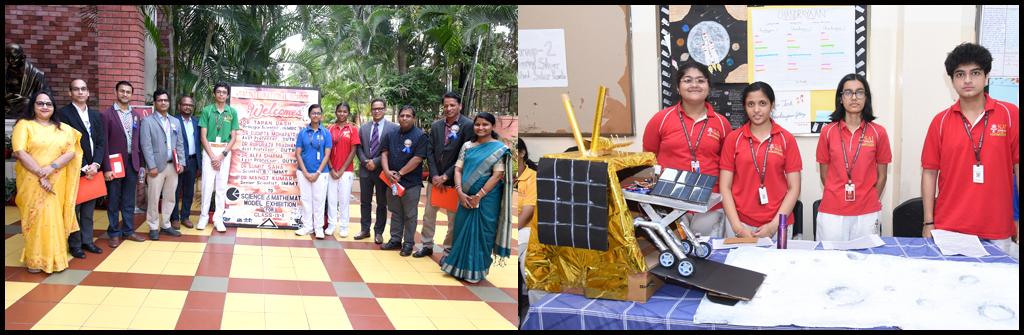
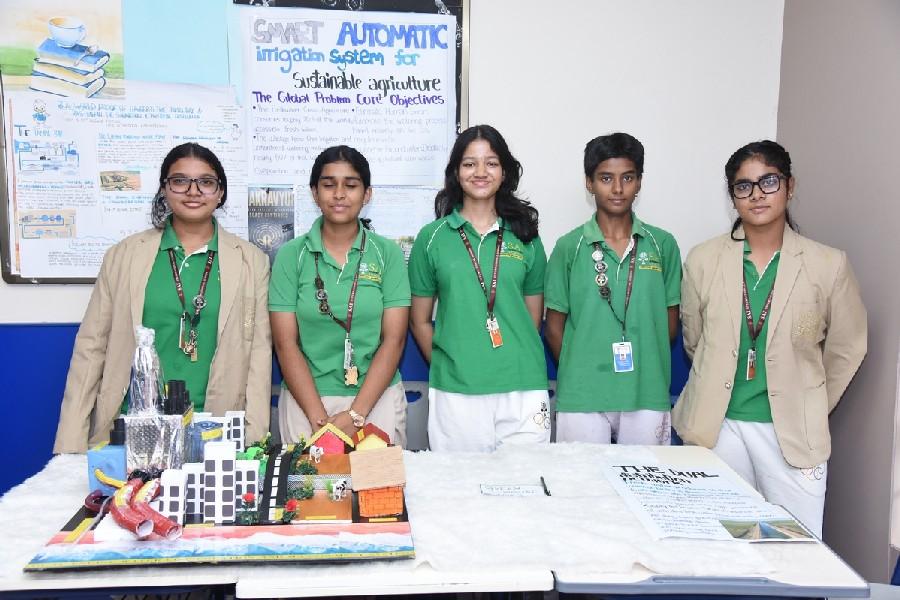
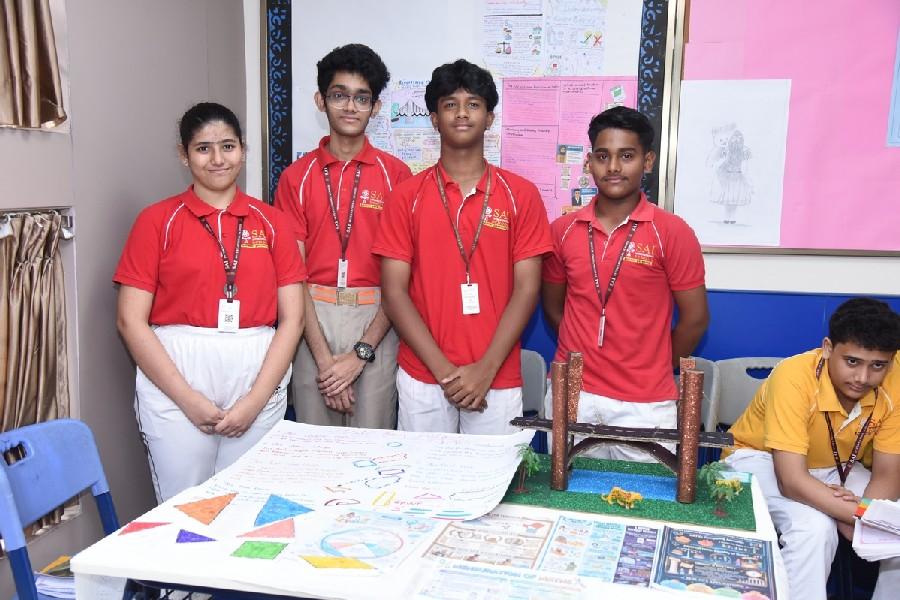
SAI International School inaugurated its Inter-House Science & Mathematics Exhibition 2026-27 at the Indraprastha Auditorium on Thursday, bringing together scientific inquiry, mathematical exploration and technological innovation under the theme "STEM for Viksit and Atmanirbhar Bharat." The exhibition provided a platform for students of Classes IX and X to demonstrate how science, technology, engineering and mathematics can address real-world challenges and contribute to a sustainable, inclusive and self-reliant India.
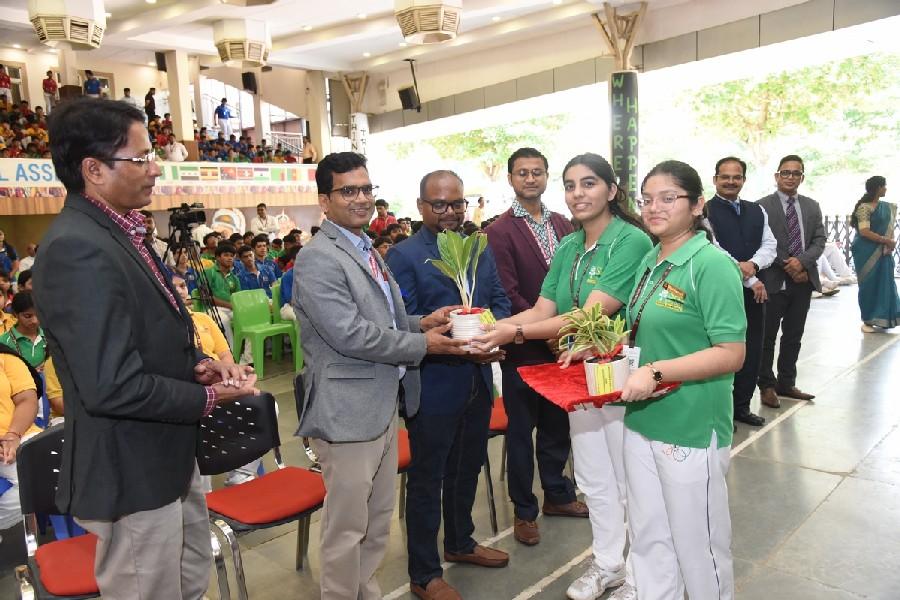
The inaugural ceremony was graced by Shri Amrit Ruturaj, IAS, Collector & District Magistrate, as the Chief Guest. The programme commenced with a warm welcome to the Chief Guest, followed by the presentation of plants by the SAIoneers and a soulful performance by the SAI Choir. Sri Nilakantha Panigrahi, Director Academics & Senior Principal, SAI International School, delivered the welcome address, while Dr. Silpi Sahoo, Chairperson, SAI International Education Group, introduced and felicitated the Chief Guest. Following his address, Shri Amrit Ruturaj formally declared the Science & Mathematics Competition and Exhibition open.
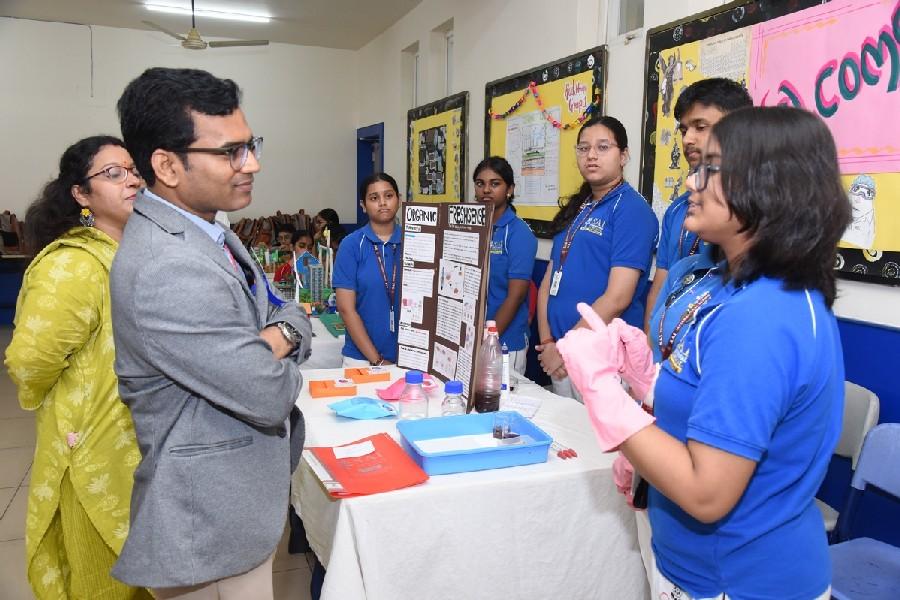
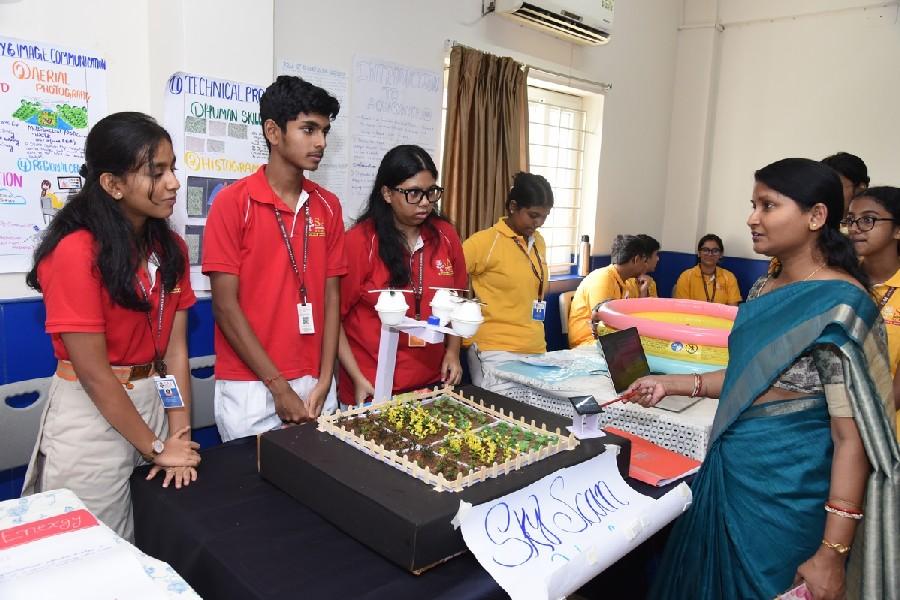
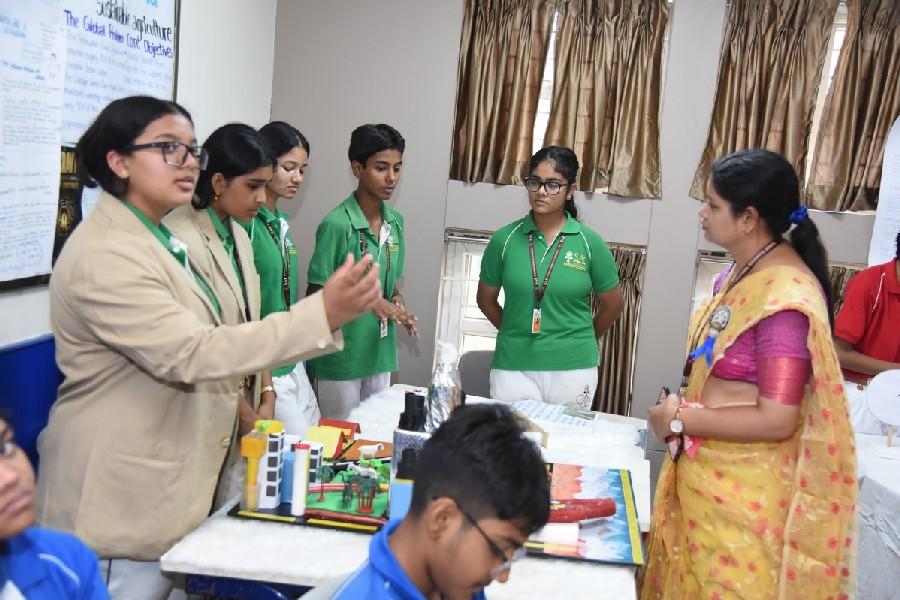
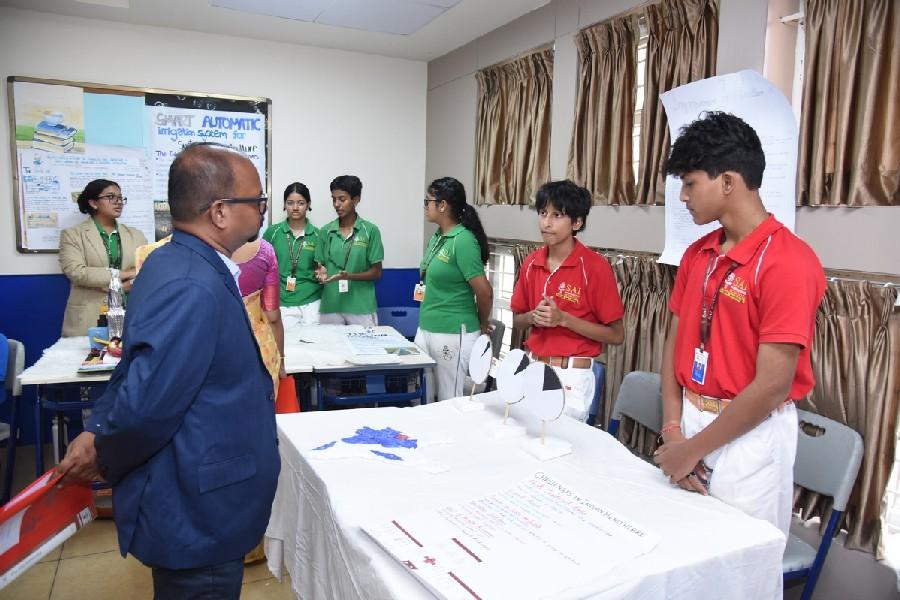
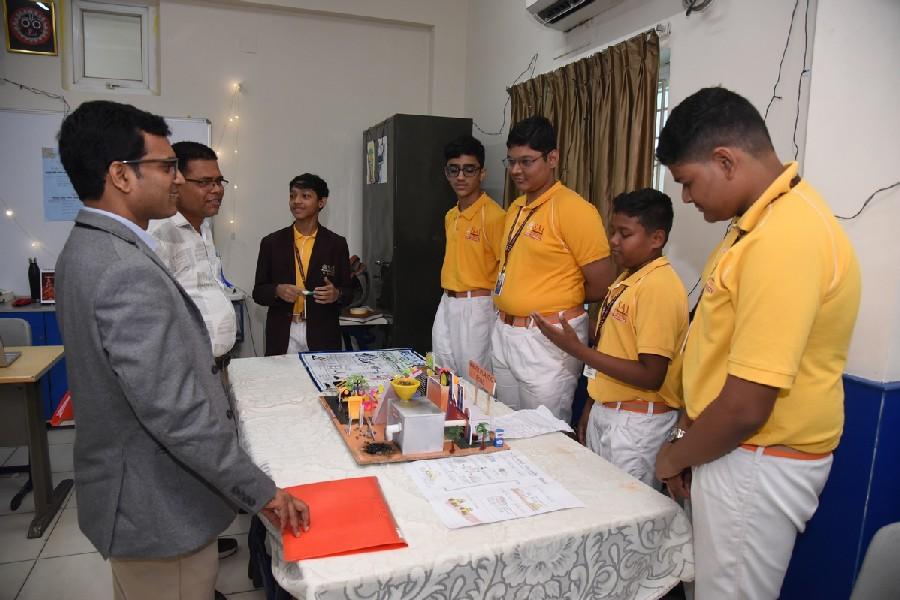
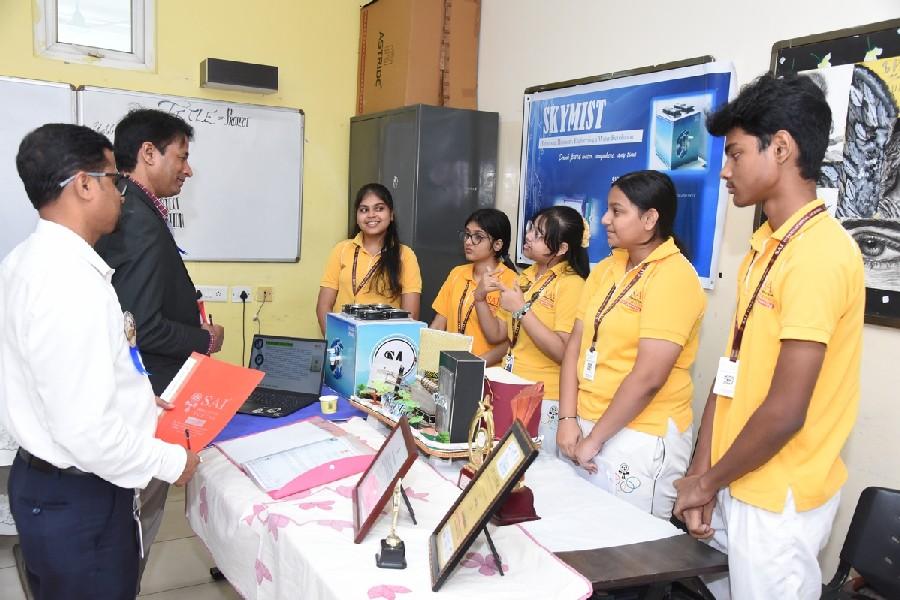
The exhibition was evaluated by a distinguished panel of academicians and scientists: Dr. Sudipta Mohapatra and Dr. Rururaja Pradhan, Assistant Professors, School of Mechanical Sciences, Odisha University of Technology and Research (OUTR), Bhubaneswar; Dr. Alfa Sharma, Assistant Professor, Department of Chemistry, OUTR; Dr. Sumit Saha, Scientist E, and Dr. Manoj Kumar, Senior Scientist, CSIR–Institute of Minerals & Materials Technology (IMMT), Bhubaneswar; and Dr. Tapan Dash, Principal Scientist, IGMRC, Bhubaneswar. Their expertise brought valuable scientific and academic perspectives to the evaluation of the student projects.
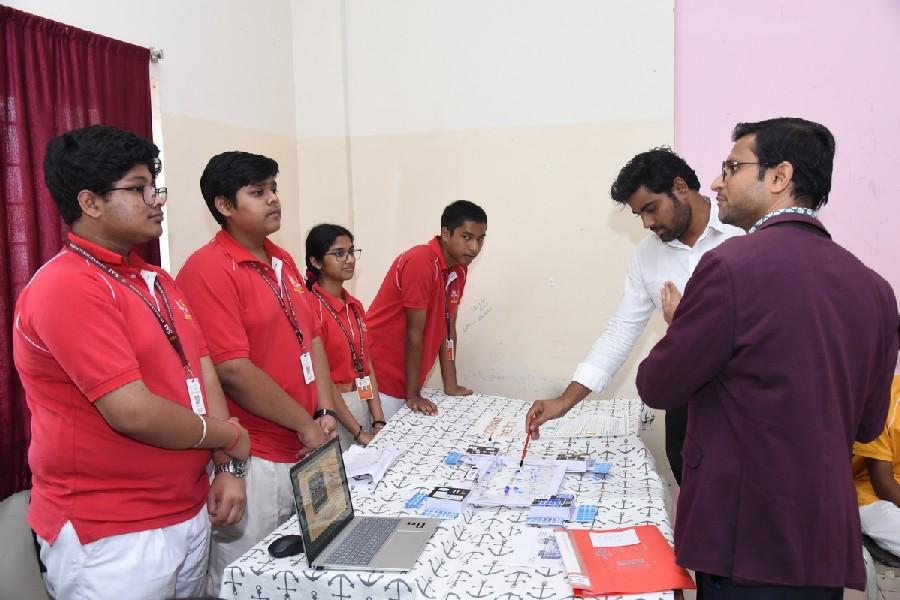
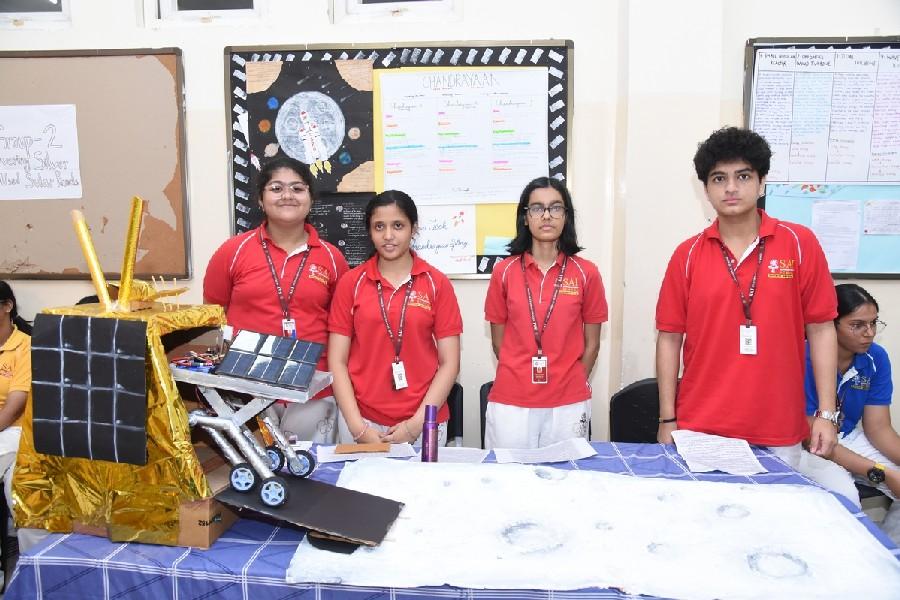
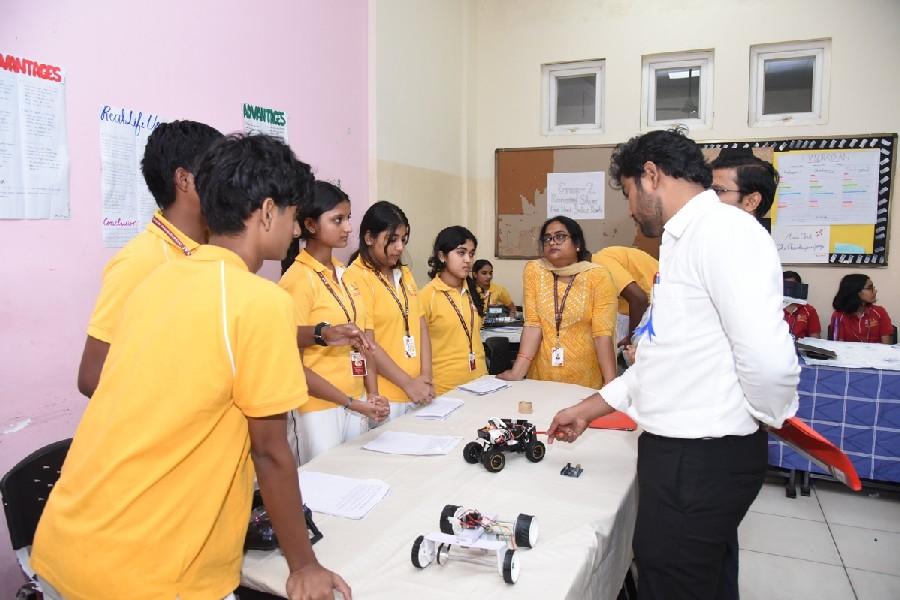
The exhibition featured thought-provoking projects that reflected the students' ability to connect scientific principles with practical applications.
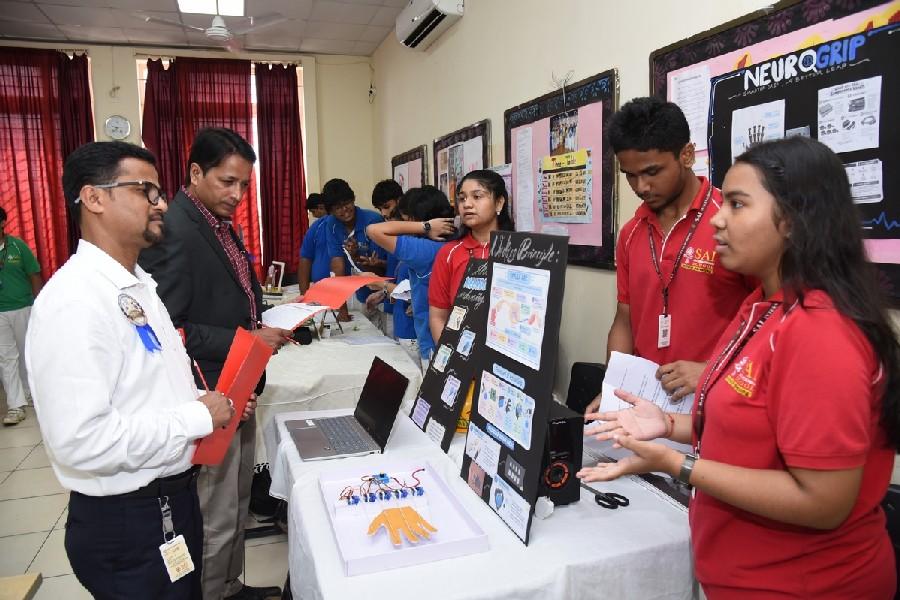
Neurogrip: A Neuro Prosthetic Hand explored biomedical engineering and assistive technology through a prosthetic hand designed around neural signals or sensor-based inputs. The project highlighted the potential of technology to restore hand functionality, promote independence and improve the quality of life of people with disabilities.
Myco-Pack: Growing Sustainable Packaging from Fungi presented mycelium, the root-like network of fungi, as a promising alternative to conventional plastic packaging. The project explored biodegradable and renewable materials that could help reduce plastic pollution and support a circular economy.
Regenerative Elevator - Recovering Waste Energy demonstrated how energy generated during braking or downward movement could be recovered and converted into electricity for reuse. The project highlighted energy-efficient engineering and the potential to reduce electricity consumption in buildings.
Fresh Sense - Intelligent Biopolymer Spoilage Indicator explored biodegradable polymer materials that change colour in response to chemical changes associated with food spoilage. The concept demonstrated how smart packaging could help identify food freshness, reduce food waste and improve food safety.
The Spleen-Inspired Blood Purification System drew inspiration from the filtering function of the human spleen to explore a biomimetic system for removing unwanted particles or harmful components from blood, demonstrating the relationship between biological processes and medical innovation.
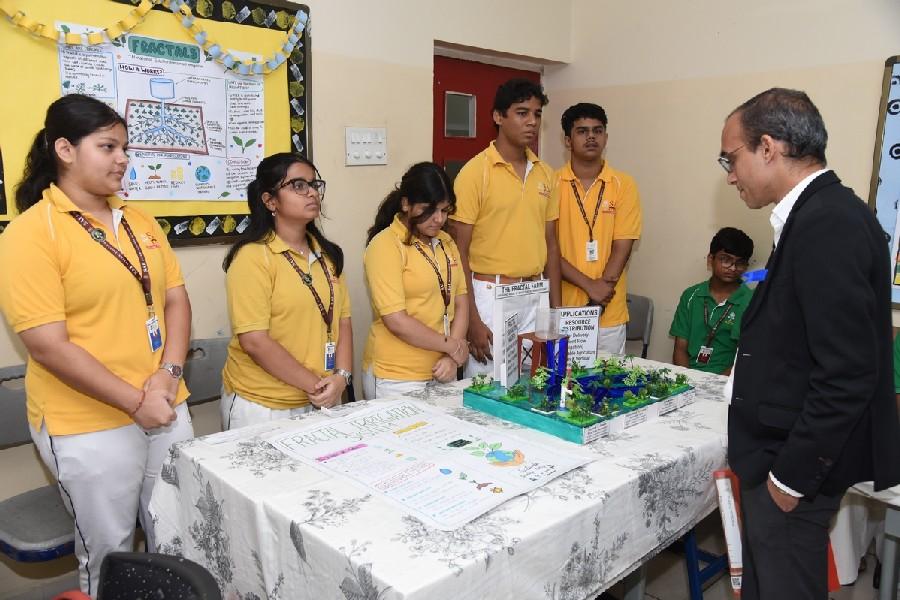
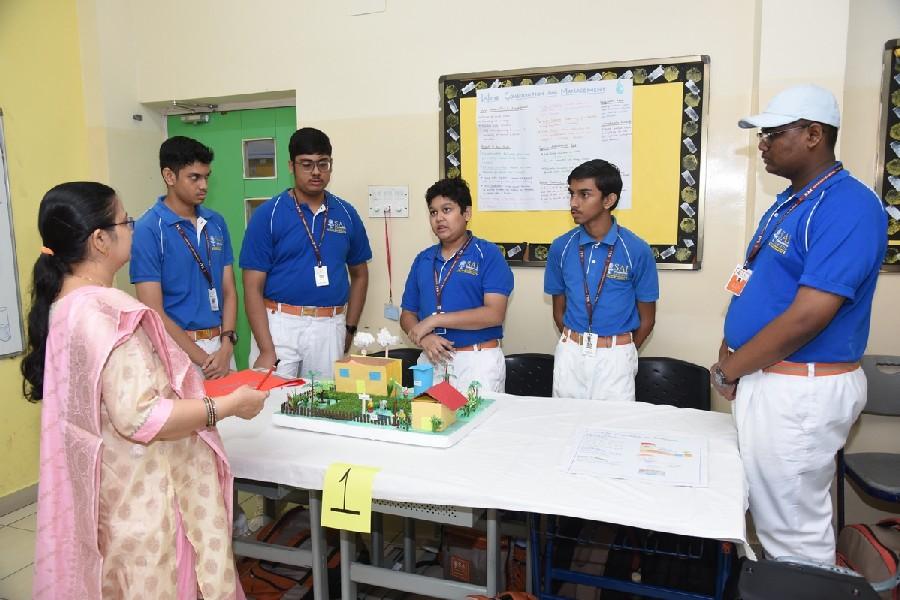
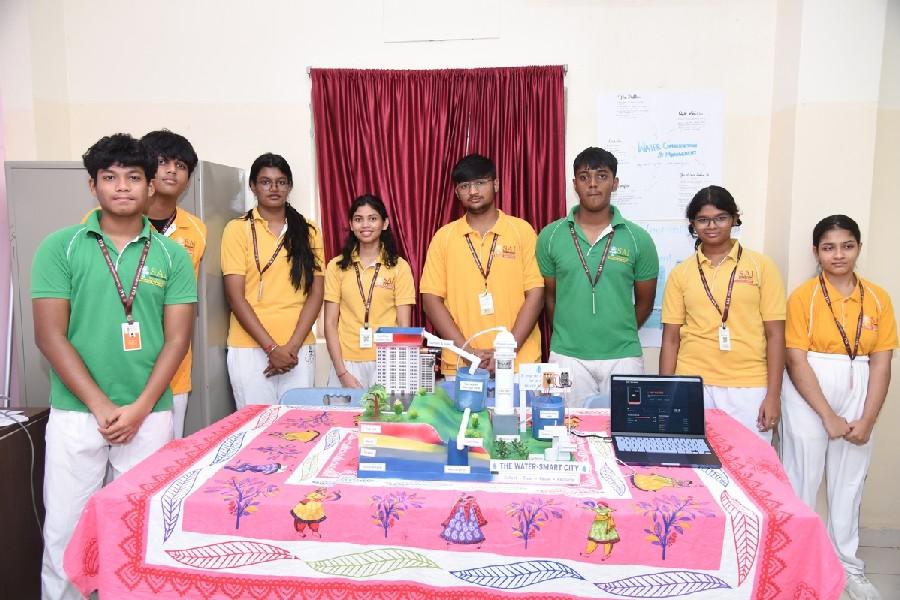
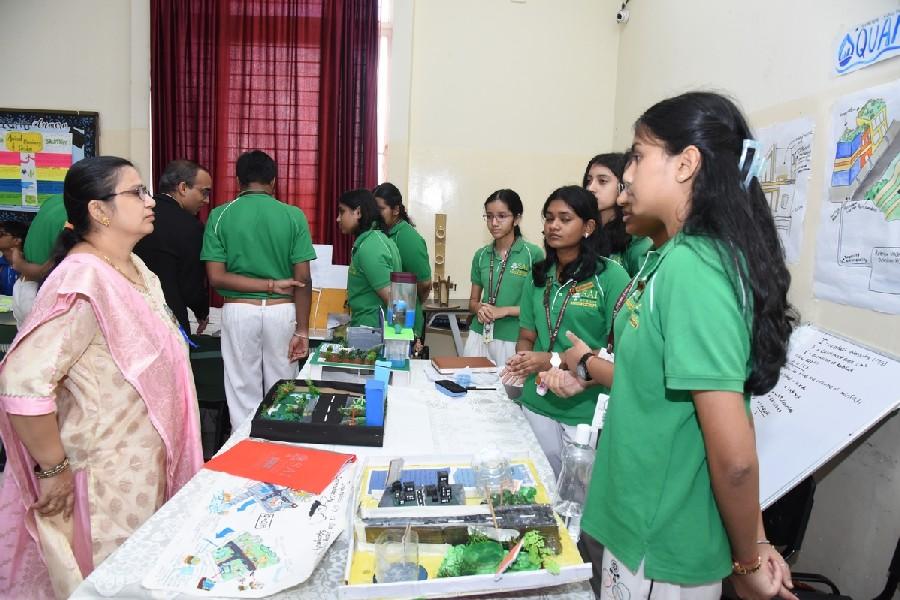
DROP-LOOP - A Sustainable Rainwater Harvesting and Reuse System showcased an approach to collecting, storing and reusing rainwater. The project emphasised water conservation, efficient resource management and reduced dependence on conventional water sources.
Smart Slurry Pipeline - Emerging Technologies explored the transportation of solid particles suspended in liquid through pipelines, highlighting the role of smart monitoring technologies in improving operational efficiency, detecting blockages and enhancing industrial safety.
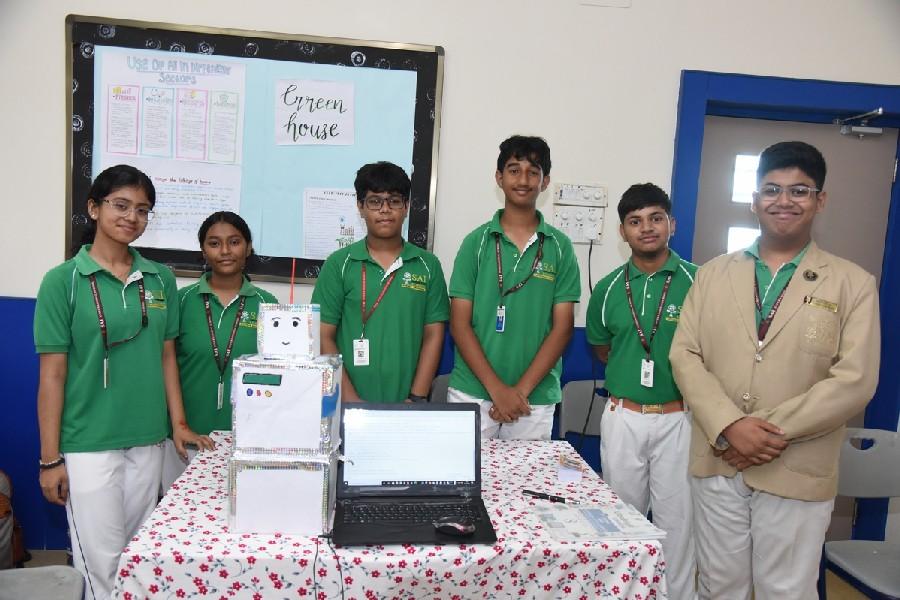
AI Robotics Systems and Teleconsultation for Healthcare integrated artificial intelligence, robotics and remote medical consultation to explore ways of supporting patient monitoring, preliminary assessment and healthcare delivery, particularly in remote areas.
Animal Biomimicry and Design (ABD) demonstrated how animal structures, movements and survival mechanisms can inspire engineering solutions with improved efficiency, adaptability and sustainability.
Eco Asphalt: Turning Plastic Waste into Durable Roads explored the incorporation of suitably processed plastic waste into road-construction materials, highlighting possibilities for reducing plastic waste and developing more sustainable infrastructure.
Together, the projects reflected the exhibition's central theme by exploring solutions across healthcare, environmental protection, renewable energy, industrial engineering, sustainable materials and infrastructure. They encouraged students to apply analytical thinking, collaborate, experiment and consider the wider social impact of technological advancement.
Through the Inter-House Science & Mathematics Exhibition 2026-27, SAI International School reaffirmed its commitment to experiential learning, scientific temper and innovation, empowering its young SAIoneers to transform curiosity into knowledge and knowledge into purposeful action.
Photo Highlights